
The Colored Waif’s Home: The Untold New Orleans Story Behind Louis Armstrong’s Rise to Jazz Immortality
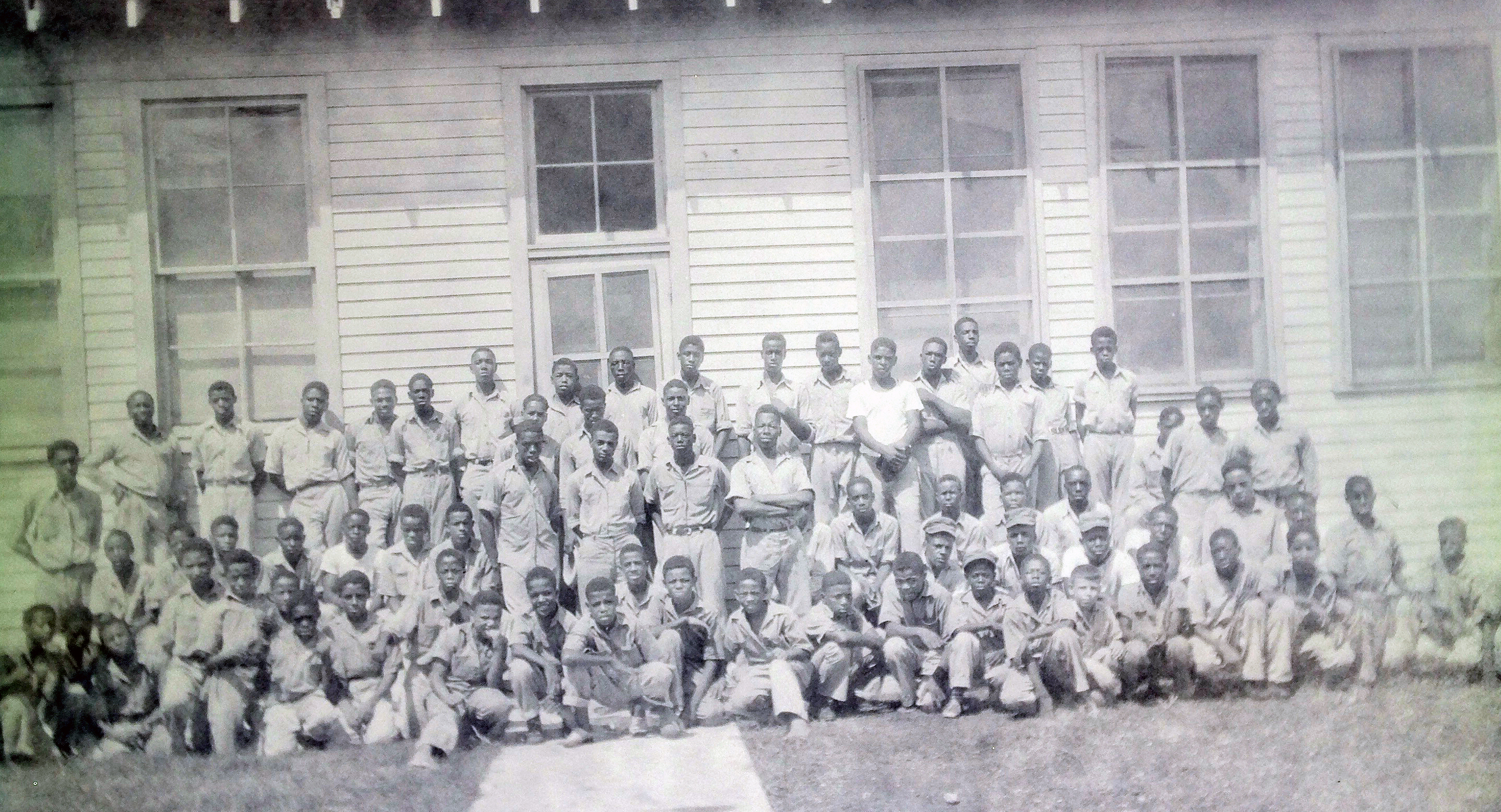
A new historical feature film in development aims to bring the forgotten mentors, extraordinary circumstances, and human stories behind Louis Armstrong’s early musical journey to the screen.
NEW ORLEANS, October 13, 2026 — Before Louis Armstrong became one of the most influential musicians in history, before his trumpet transformed the sound of jazz, and before his unmistakable voice captivated audiences around the world, there was a young boy in New Orleans whose future was anything but certain.
And behind that boy stood people whose names have largely faded from the spotlight.
An upcoming feature film, The Colored Waif’s Home, seeks to tell their story.
Developed by historian and researcher Allen Y. Kimble, Jr., the project turns its attention to a formative chapter in Armstrong’s life, exploring the institution, individuals, and circumstances that helped nurture a young musical talent long before the world knew his name.
Rather than retelling the familiar story of Armstrong’s rise to international fame, the film promises to take audiences back to where that extraordinary journey began.
Before the Legend, There Were Those Who Believed in Him
At the heart of The Colored Waif’s Home are three historical figures whose contributions to Armstrong’s early development deserve greater recognition: Captain Joseph G. Jones, Manuella Duplessis Jones, and music instructor Professor Peter Davis.
Their story unfolds against the backdrop of early twentieth-century New Orleans, a city alive with musical innovation but also marked by profound racial and social inequalities.
Within this environment, the Colored Waif’s Home became an unlikely setting for a remarkable musical awakening.
For young Armstrong, the institution would become an important part of his early life. Under the guidance of adults who recognized the importance of discipline, encouragement, and opportunity, he encountered experiences that would help shape his future.
Professor Peter Davis, in particular, played a significant role in Armstrong’s introduction to instrumental music, helping set him on a path that would eventually change jazz forever.
Yet the film is not simply about the discovery of a musical genius.
It is about the people who helped create the conditions in which that genius could emerge.
It asks a compelling question: How many extraordinary lives have been shaped by people history has almost forgotten?
A Family Connection and More Than 40 Years of Research
For Allen Y. Kimble, Jr., The Colored Waif’s Home is more than a historical film project. It is the culmination of over four decades of research and a deeply personal connection to the people at the center of the story.
Having married into the Jones family, Kimble has spent years gathering historical documents, family recollections, photographs, and memorabilia associated with this remarkable chapter of New Orleans history.
Some of these materials have been preserved or rescued from obscurity, offering a valuable connection to the people and experiences that shaped Armstrong’s formative years.
Drawing on this extensive collection, the planned feature film aims to reconstruct a world rarely explored in mainstream portrayals of the jazz legend.
The project also seeks to give Captain Jones, Manuella Duplessis Jones, and Professor Davis the narrative attention that their historical contributions warrant.
Their lives, commitments, and relationships with the young people in their care form the emotional foundation of the proposed film.
Through their experiences, audiences will encounter a story not only about music, but also about mentorship, resilience, community, and the extraordinary influence that individuals can have on the course of history.
A Jazz Prequel That Looks Beyond the Spotlight
Biographical films about celebrated musicians often begin with the moment talent meets opportunity, tracing the struggles and triumphs that lead to international recognition.
The Colored Waif’s Home approaches Armstrong’s legacy from a different perspective.
Instead of focusing on the celebrated performer, it looks at the people and circumstances that preceded the legend.
This approach offers an opportunity to explore the cultural foundations of jazz and the social history of New Orleans through a more intimate human narrative.
The film's historical setting also places the story within a period when African American communities faced significant barriers to education, opportunity, and social mobility.
Against that backdrop, the relationships between children, caregivers, and music educators acquire particular significance.
It is a story in which a trumpet becomes more than an instrument.
It becomes a symbol of possibility.
And in telling the story of those who helped Armstrong discover that possibility, the filmmakers hope to illuminate a neglected chapter of American cultural history.
From Historical Archives to the Cinema Screen
The project is now seeking support to take its first major step toward production.
A crowdfunding campaign aims to raise $20,000 to create a short proof-of-concept film, providing a cinematic demonstration of the planned feature’s artistic vision and historical approach.
The short film is intended to help introduce the project to potential collaborators, producers, production companies, cultural institutions, and other prospective partners.
The fundraising effort also offers an opportunity for the wider New Orleans community, jazz enthusiasts, historians, and supporters of independent cinema to participate in bringing this history to life.
Kimble and the project team are inviting individuals and organizations from the film, music, historical preservation, and cultural sectors to support the initiative.
Beyond its immediate production goals, The Colored Waif’s Home carries a broader ambition: to ensure that the individuals who helped shape one of America's most important musical figures are remembered alongside the legend they helped nurture.
Bringing the Forgotten Voices of Jazz History to Life
More than a century after Armstrong’s childhood, his influence continues to resonate across generations, continents, and musical traditions.
His recordings remain essential to the history of jazz. His artistry helped redefine modern music. His name has become synonymous with the creative spirit of New Orleans.
But every legend has a beginning.
And every beginning has people whose contributions are too easily overlooked.
The Colored Waif’s Home seeks to bring those people out of the shadows and onto the screen.
For audiences who know Louis Armstrong as the smiling virtuoso behind some of the world's most beloved recordings, the film offers the possibility of discovering a different story: the story of a young boy, a community, and the people who helped him find his voice.
Before Louis Armstrong changed the sound of the world, someone helped him discover the sound within himself.
That is the story The Colored Waif’s Home hopes to tell.
Support the Film
The producers are seeking contributions toward a $20,000 crowdfunding goal to develop a short proof of concept for the planned feature film.
Historians, cultural organizations, jazz enthusiasts, New Orleans businesses, filmmakers, and potential production partners are encouraged to support the project and help share its story.
Media, Collaboration & Partnership Inquiries
Allen Y. Kimble, Jr.
Historian, Researcher & Film Project Creator
Email: vinnythepug@gmail.com
Phone: +1 504-518-9765
Project Information
https://allen-kimble-colored-waifs-home-research.vinnythepug.chatgpt.site/
Publisher’s note — EIPRESS / Euro International Press: This press release and accompanying image were supplied by Allen Y. Kimble, Jr. / The Colored Waif’s Home and are published for informational purposes. EIPRESS has not independently verified every claim and makes no guarantee as to the completeness or accuracy of the submitted material. Publication does not constitute endorsement of the project or its fundraising campaign. The submitter is responsible for the material supplied and the necessary rights and permissions. Image rights remain with the respective rights holder; EIPRESS grants no onward licence to the supplied image. For corrections or rights enquiries, contact info@gche.eu.
Source: Allen Y. Kimble, Jr. / The Colored Waif’s Home
Photo / Image: Image supplied by Allen Y. Kimble, Jr. / The Colored Waif’s Home
This article is based on publicly available information or editorial materials and does not imply endorsement by any institution mentioned unless expressly stated.
Published by Euro International Press (France). Individual readers, schools, associations and non-commercial organisations may republish this article while retaining the title, text and source. Media organisations, commercial websites, news platforms, aggregators and commercial entities should contact info@gche.eu for authorisation, syndication or partnership.
© Euro International Press. All Rights Reserved.