
EU weighs further protection for journalists beyond abusive lawsuits
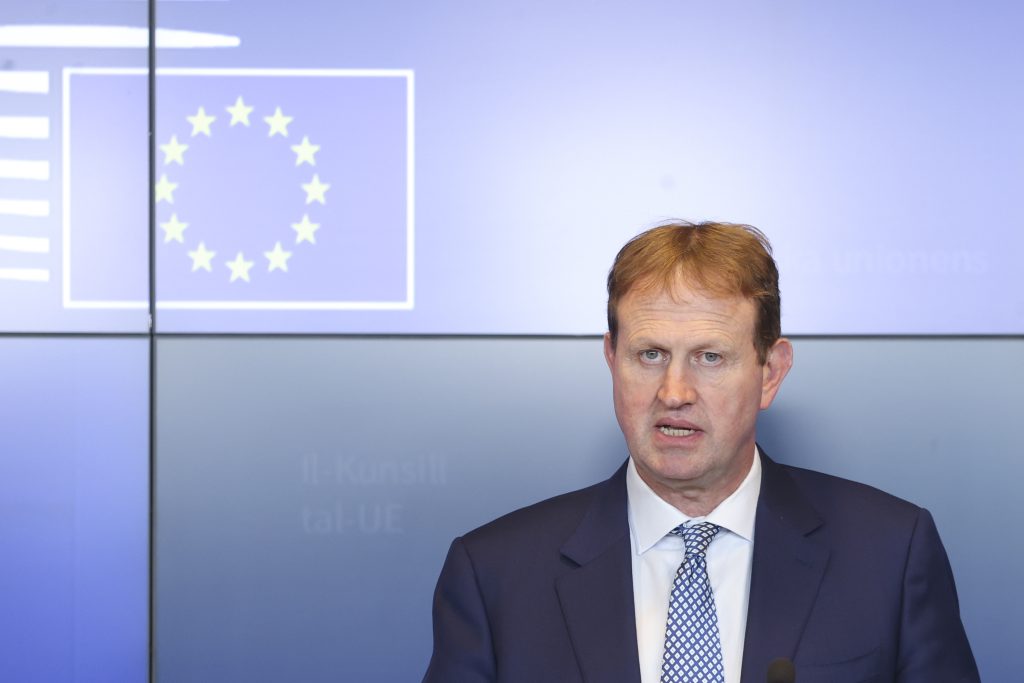
EU justice ministers considered further protection for journalists and civil society in Luxembourg on 2 October. Abusive lawsuits were only part of the problem discussed. Physical and online threats, inadequate funding and foreign interference also featured in the exchange.
A lawsuit can burden reporting long before a judgment arrives. Time spent defending a case and paying lawyers can draw resources away from an investigation. The EU’s anti-SLAPP directive, adopted in 2024, addresses litigation used to suppress participation in matters of public interest. Its safeguards cover civil proceedings with cross-border implications: defendants can seek early dismissal of manifestly unfounded claims, while abusive proceedings can leave claimants liable for costs, including the defendant’s legal representation.
That scope matters. Procedural safeguards address a particular form of pressure; they cannot by themselves provide physical protection or sustain an underfunded newsroom. The question facing policymakers therefore extends beyond how to defend a case to what allows reporting to continue.
Ministers also considered media freedom, open justice and judicial independence. For civil society organisations, they discussed funding transparency without unnecessary restrictions on their work. Accountability and the ability to operate need to be considered together.
The meeting produced an exchange of views on journalist protection, rather than new legislation. Anti-racism conclusions were approved separately. The next development to watch is whether the discussion leads to specific proposals addressing risks outside the existing litigation safeguards. The published results give no timetable for a new proposal.
Photo: Irish justice minister Jim O’Callaghan at the Luxembourg press conference, 2 October 2026. © European Union. Photo source · Reuse terms. Display crops may apply.
Sources : EU Council, 2 October 2026 · Anti-SLAPP directive, 19 March 2024.
Source: Council of the European Union
Photo / Image: © European Union — Jim O’Callaghan, Luxembourg, 2 October 2026; display crop
This article is based on publicly available information or editorial materials and does not imply endorsement by any institution mentioned unless expressly stated.
Published by Euro International Press (France). Individual readers, schools, associations and non-commercial organisations may republish this article while retaining the title, text and source. Media organisations, commercial websites, news platforms, aggregators and commercial entities should contact info@gche.eu for authorisation, syndication or partnership.
© Euro International Press. All Rights Reserved.