E-Scooter Braking Test: 10 Models Put to the Test
For urban e-scooter riders, braking performance is a critical life-saving metric. Narrow bike lanes and complex road conditions across European cities demand instantaneous stopping power. EI…
Quick Verdict
For urban e-scooter riders, braking performance is a critical life-saving metric. Narrow bike lanes and complex road conditions across European cities demand instantaneous stopping power. EI…
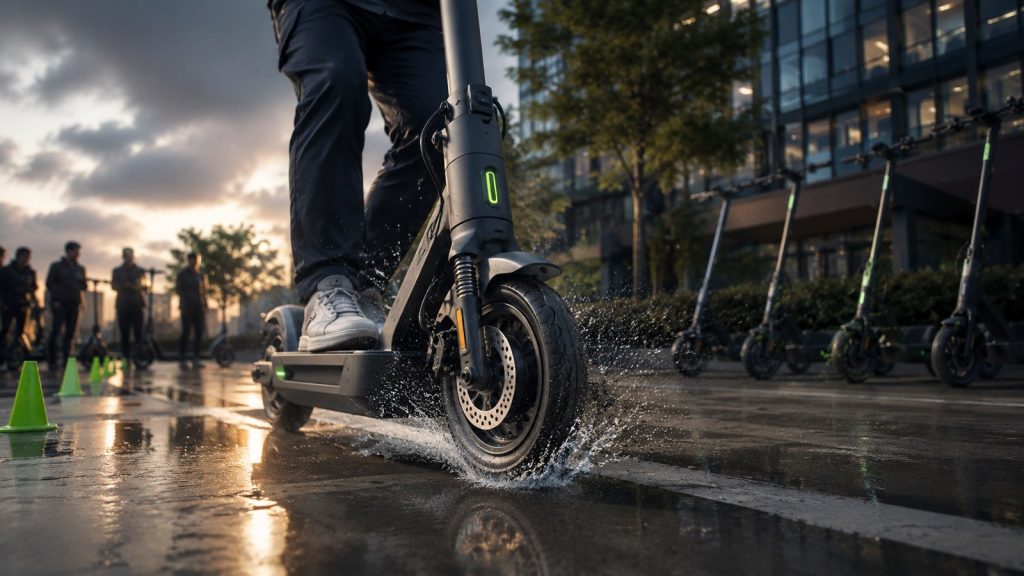
For urban e-scooter riders, braking performance is a critical life-saving metric. Narrow bike lanes and complex road conditions across European cities demand instantaneous stopping power. EIP Mobility Lab tested 10 of the most popular e-scooters on the market, measuring the precise braking distance from 25 km/h to a complete stop on both dry asphalt and wet, slippery surfaces. The results revealed that the Segway-Ninebot Max G2, equipped with front and rear dual disc brakes complemented by an electronic E-ABS, delivered the most stable performance, with a dry braking distance of just 3.2 meters and keeping wet braking under 4.8 meters with exceptional tire grip. In contrast, cheaper OEM models utilizing only traditional single-sided drum brakes saw their wet braking distances skyrocket past 7.5 meters, accompanied by dangerous rear-wheel fishtailing. The test demonstrates that combining hydraulic braking with electronic brake-by-wire system is becoming the gold standard for premium scooters. Consumers configuring their purchase should never compromise braking hardware for raw speed.