Smart Helmet Visibility Test: Lights, Signals & Safety
During northern Europe's dark winter mornings and late afternoons, a cyclist's visibility is a matter of life and death. While traditional helmets only provide passive impact shielding, smar…
Quick Verdict
During northern Europe's dark winter mornings and late afternoons, a cyclist's visibility is a matter of life and death. While traditional helmets only provide passive impact shielding, smar…
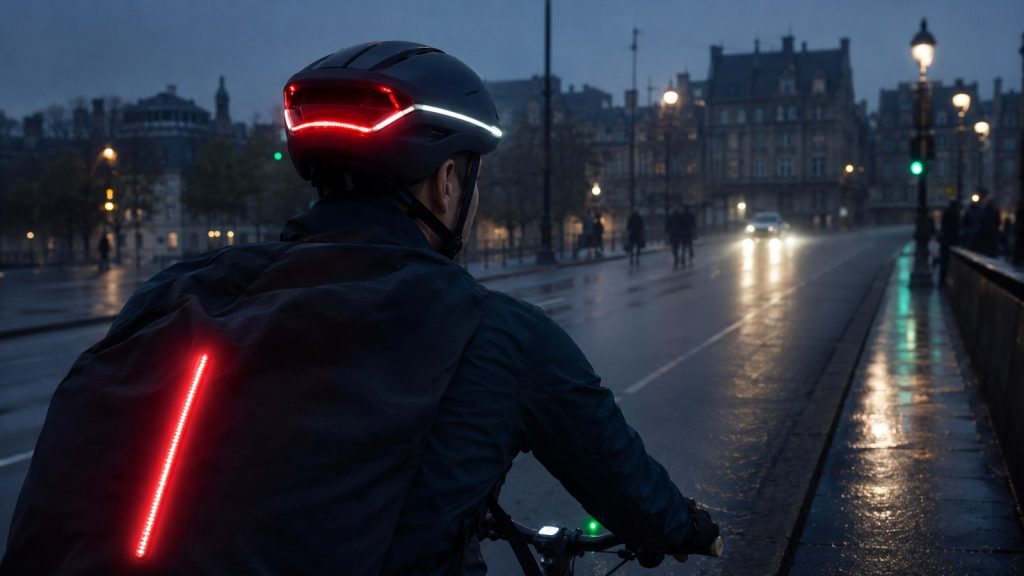
During northern Europe’s dark winter mornings and late afternoons, a cyclist’s visibility is a matter of life and death. While traditional helmets only provide passive impact shielding, smart helmets in 2026 elevate active safety to unprecedented levels. EIP Safety Lab conducted a comprehensive multi-angle visibility test on mainstream smart helmets, measuring LED lumen efficiency, handle-bar remote turn signal latency, and the response accuracy of integrated braking sensors. Top-tier smart helmets integrated omnidirectional 360-degree high-dynamic LED light strips, extending visible distance to 150 meters in dense fog. Critically, built-in triaxial accelerometers instantly trigger a flashing red strobe light within 0.1 seconds of emergency braking, granting trailing motorists vital reaction time. Furthermore, the integration of bone-conduction Bluetooth audio allows commuters to answer phone calls and receive audio GPS navigation commands without taking their eyes off the asphalt.